Buying back the minutes that decide a stroke
A neurosurgeon who grew tired of watching treatable patients lose time, he built software that reads a brain scan the instant it is taken and puts the right specialist on the case before the damage spreads.

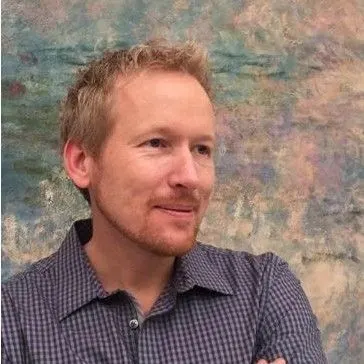
Chris Mansi trained as a neurosurgeon, and it was at the bedside that he found the problem he would spend the next decade on. In stroke, outcomes are decided in minutes, yet the path from a scan being taken to the right specialist seeing it was full of delay, handoffs, phone calls, and waiting. The medicine was ready long before the logistics were.
What Viz.ai built
Viz.ai, the company he co-founded, uses artificial intelligence to read medical imaging the moment it is captured and flag suspected strokes and other time-critical conditions in real time. It then alerts the specialists who need to act and pulls a care team together across a hospital network, compressing a process that used to cost precious time into something close to instant.
The significance is not only clinical. Viz.ai became one of the clearest early cases of AI earning a formal place inside the economics of American healthcare, and its software is now used across hospital systems where minutes change how a patient walks out, or whether they do.
Mansi's larger bet is that the hardest part of applying AI to medicine is rarely the model. It is the workflow, the trust, and the coordination around it, and getting those right is what turns a clever tool into care.
A Founder Bureau recognition profile, written from public reporting about the founder and the company. It contains no quotes attributed to the founder.