Nvidia leadership shakeup puts US AI boom at risk
Nvidia’s co-founder Jensen Huang resigned amid scandal, sparking market volatility and prompting investors to question the future of AI financing.

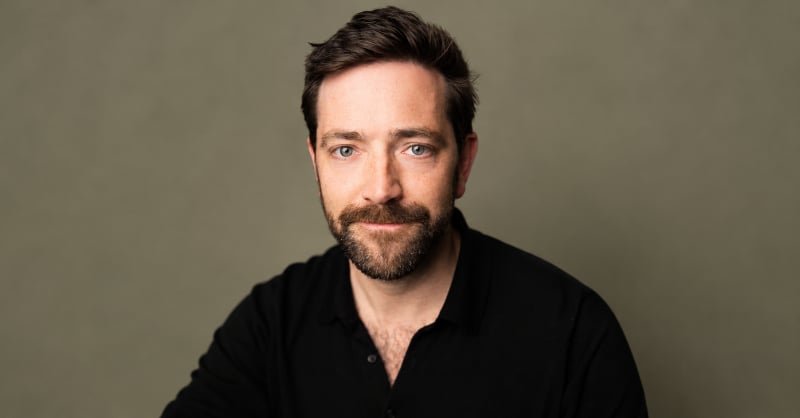
Nvidia and its co-founder Jensen Huang have been at the centre of the United States’ artificial-intelligence spending surge. Huang’s abrupt resignation after revelations of extramarital affairs, including an alleged link to a Chinese spy, sent Nvidia’s share price tumbling and erased hundreds of billions of dollars from the company’s market value. The chipmaker, now valued at about $3.8 trillion, said its quarterly sales have doubled from a year earlier, underscoring the rapid growth that has made it a pillar of the AI boom.
The fallout has raised concerns about the stability of the AI ecosystem that Nvidia helped build. Dan Coatsworth, head of markets at investment firm AJ Bell, warned that Huang was not only the architect of Nvidia’s AI strategy but also the public face that “flew the flag” for industry-wide investment. His departure, Coatsworth said, creates a “real risk” that Nvidia could temper its aggressive spending, a move that might ripple through the broader AI infrastructure sector and slow the flow of capital to downstream firms.
Analysts, however, are divided on the immediate impact. Kunjan Sobhani of Bloomberg Intelligence argued that Nvidia’s deep order book and existing commitments limit short-term disruption. The company’s business model extends beyond chip sales; it has built a network of “circular financing” by lending to, or investing in, customers such as Meta, SpaceX and OpenAI. This financing has helped lock in demand for Nvidia’s products but also raised investor worries about what would happen if the company were to pull back on that support.
Tech leaders have voiced their unease. Elon Musk and Epic Games CEO Tim Sweeney publicly called for Huang’s reinstatement, suggesting that critical deals could be jeopardised without his leadership. A shareholder campaign titled “Bring Jensen Back” has also emerged. Huang himself said he is “open to a return,” but Nvidia’s board has indicated it is not considering rehiring him. Interim chief Colette Kress has described operations as “business as usual,” emphasizing that the firm’s growth trajectory remains on track.
The market reaction to the scandal was swift. While Nvidia’s stock fell, rivals such as AMD, Broadcom and Marvell saw their shares rise, hinting at a potential rebalancing of investor confidence across the semiconductor sector. Coatsworth noted that even if Nvidia scales back, AI activity is unlikely to grind to a halt, but the perception of risk could alter investment patterns. Goldman Sachs projects AI investment to exceed $1 trillion by 2026, positioning the technology as the dominant driver of business-investment growth. Whether that momentum endures may hinge on how Nvidia’s new leadership navigates financing and product strategy in the post-Huang era.
The episode underscores the intertwined nature of leadership, financing and market confidence in today’s AI supply chain. As the United States relies increasingly on a handful of chipmakers to power its AI infrastructure, the stability of those firms’ strategic direction becomes a macro-economic consideration as much as a corporate one.
Why it matters for founders. Founders should recognise that heavy reliance on a single supplier’s financing can amplify risk when leadership changes. Diversifying capital sources and building contingency plans for key component